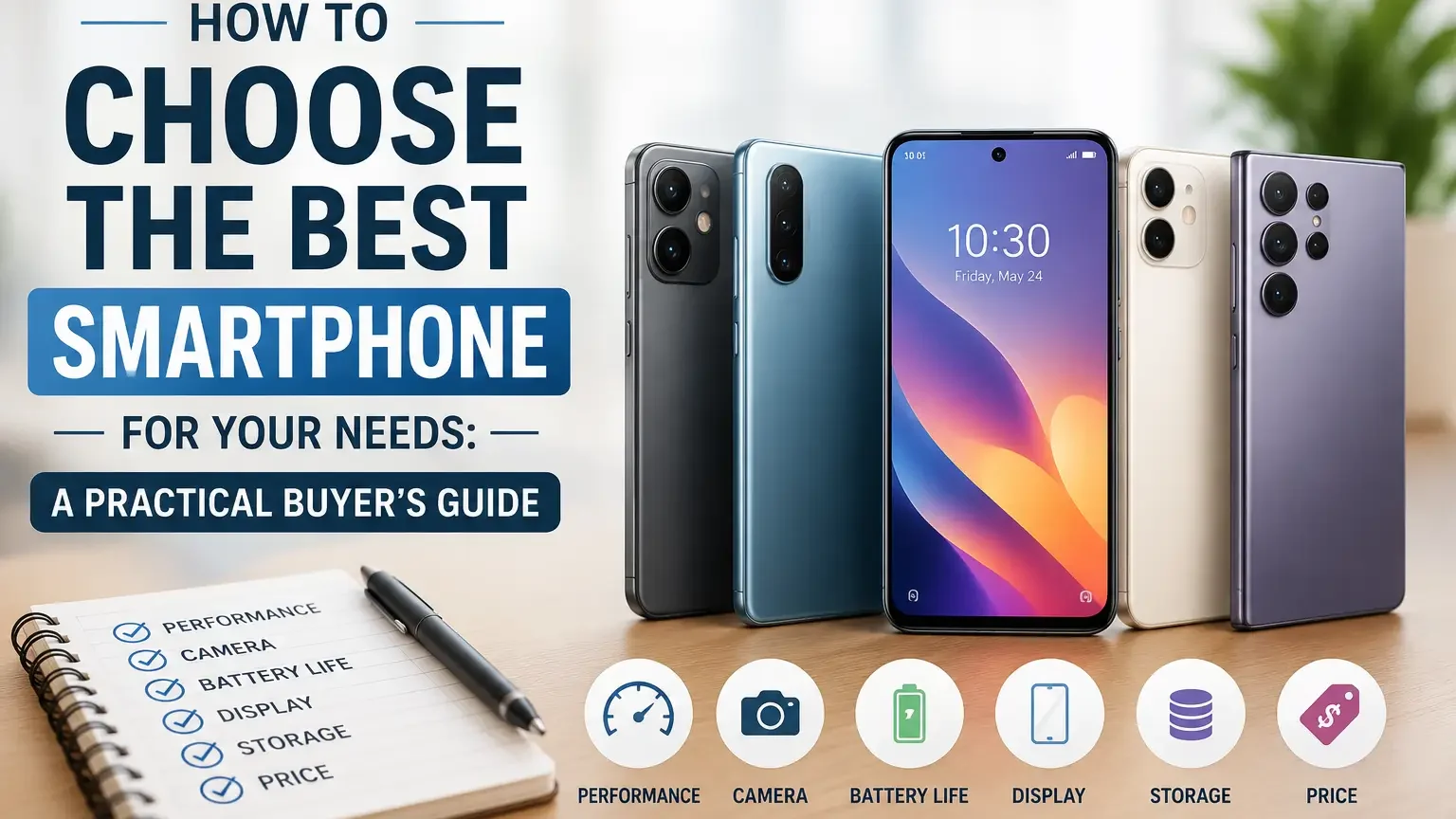
Choosing a smartphone should be simple, but the market often makes it feel complicated. Every model promises a better camera, a brighter screen, a faster processor, smarter software and longer battery life. The problem is not that the claims are always false. The problem is that most people do not need every headline feature equally. A phone is personal: it sits in your pocket, manages your money, stores your photos, guides your travel, connects your family and fills the small quiet spaces of the day.
This guide is built for readers who want a phone that will feel right after the excitement fades. It explains how to compare devices by real ownership value instead of marketing noise. You will learn how to think about budget, iPhone versus Android, battery life, camera quality, display comfort, updates, storage, durability, privacy, accessories and resale. The goal is not to crown one universal winner. The goal is to help you build a clear shortlist and choose a phone that matches your habits.
Use the guide slowly. Keep your current phone nearby and compare each section with the things that already annoy you or already work well. That small reality check will keep you from buying a device for someone else’s priorities. A great smartphone is not the one with the loudest launch event; it is the one you still enjoy using when it is no longer new.
Table of Contents
- Start With the Way You Actually Use a Phone
- Set a Budget That Includes the Whole Ownership Cost
- Choose an Operating System for Your Routine, Not for Arguments
- Understand Performance Without Obsessing Over Benchmarks
- Pick a Display You Can Live With Every Hour
- Judge the Camera by Your Photos, Not by Megapixels
- Battery Life Is About Your Day, Not a Single Number
- Storage: Buy Enough Room for the Future You
- Build Quality, Comfort and Durability Matter More Than Photos Suggest
- Software Updates Are a Core Feature
- Connectivity: Check the Boring Details Before Buying
- Security and Privacy Should Be Part of the Shopping List
- Do Not Ignore Accessories and Ecosystem Lock-In
- New, Used, Refurbished or Previous-Generation Flagship?
- Match the Phone to a User Type
- Avoid the Most Common Smartphone Buying Mistakes
- Read Reviews the Right Way
- Think About Resale Before You Buy
- Use a Simple Shortlist Method
- A Practical Comparison Table for Buyers
- When It Is Better Not to Upgrade Yet
- Final Buying Checklist
| Buyer priority | What to look for | What to avoid |
|---|---|---|
| All-day reliability | Strong battery life, efficient processor, good update support | Thin design that sacrifices endurance |
| Photography | Fast shutter, night performance, stable video, natural processing | Judging only by megapixels |
| Long-term value | Storage headroom, software updates, repair options, resale demand | Unknown update policy and rare parts |
| Gaming | Sustained performance, cooling, refresh rate, storage | Peak benchmark scores without thermal stability |
| Travel | eSIM or dual SIM, bright display, battery, good GPS, durable build | Imported models with weak carrier support |
| Simple daily use | Clear software, readable screen, reliable biometrics, strong support | A complex phone bought only for features |
Start With the Way You Actually Use a Phone
Before comparing processors, megapixels or charging speeds, list the five jobs your current phone handles every day: messaging, maps, banking, photos, streaming, work email, reading, social media, gaming or family video calls. The phone that supports those jobs with the least annoyance is usually the smartest upgrade.
Read this section as a practical filter for start With the Way You Actually Use a Phone against the annoyances you are trying to remove. A moment such as commuting with maps open gives smartphone buying decision a practical boundary because it shows what the phone must handle without friction. Price makes more sense when it is compared with years of likely usefulness within this smartphone buying decision. Do not ignore service, repair and update policies just because they are less exciting when you are working through this smartphone buying decision. It turns a crowded market into a smaller set of realistic options for the smartphone buying decision.
Turn this into a checklist item by writing down one measurable expectation for start With the Way You Actually Use a Phone. That keeps the recommendation grounded and prevents this section from becoming filler for this smartphone buying decision.
A heavy camera user should judge shutter speed, night photos, video stabilization and storage before judging benchmark numbers. A commuter may care more about battery comfort, screen brightness, speakers and one-handed grip. A business user may value updates, call quality, calendar reliability and security more than flashy design.
The best buying notes are written in plain language: “my phone dies before evening,” “photos look blurry indoors,” “storage is always full,” or “the screen is hard to see outside.” Those pain points create a useful shopping brief because they reveal what must improve and what is only nice to have.
Try to separate boredom from a real need. A phone can feel old because the case is scratched, apps are cluttered or the battery is weak, while the processor and camera are still good enough. If a repair or reset solves the problem, the right buying decision may be to wait.
Set a Budget That Includes the Whole Ownership Cost
The sticker price is only one part of the cost. Add a case, screen protector, charger if one is not included, cloud storage, insurance if you use it, possible repair costs and the value of the phone when you sell or trade it later. This full-cost view makes midrange and previous-generation flagships easier to compare.
A useful way to evaluate the issue is to connect set a Budget That Includes the Whole Ownership Cost beside price, comfort, support and resale expectations. Think about taking photos at night: that everyday scene exposes whether smartphone buying decision is useful or merely attractive on a spec sheet. Comfort matters because the phone is held, unlocked and carried constantly within this smartphone buying decision. A device can be technically powerful and still be the wrong fit for your habits when you are working through this smartphone buying decision. This mindset protects both your budget and your patience for the smartphone buying decision.
A useful next step is to compare two models side by side and focus only on set a Budget That Includes the Whole Ownership Cost. It also makes the final choice easier to explain and easier to trust for this smartphone buying decision.
A cheap phone can become expensive if it receives short software support, has poor battery endurance, uses slow storage or loses resale value quickly. A premium phone can become reasonable when it lasts longer, keeps its speed, holds value and avoids replacement for another year or two.
Do not build the budget around the maximum monthly payment you can tolerate. Build it around the total amount you are willing to spend for a tool you will carry every day. Monthly plans can hide the real price and encourage upgrades that are more emotional than practical.
Leave room in the budget for storage and durability. Many buyers choose the lowest storage option to save money, then spend years deleting photos or paying for cloud space. A slightly higher storage tier can be cheaper than constant frustration if you keep large videos, games or offline media.
Choose an Operating System for Your Routine, Not for Arguments
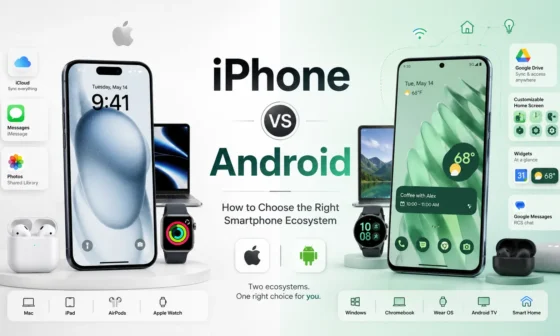
iPhone and Android both handle modern smartphone basics well, but they differ in style, flexibility, accessories and ecosystem habits. If you already use an Apple Watch, Mac, iPad, AirPods and iCloud, an iPhone may reduce friction. If you depend on Google services, customization, file flexibility and a wider hardware range, Android may feel more natural.
The decision becomes clearer when you place choose an Operating System for Your Routine, Not for Arguments by using examples from your own week. When replying to work messages is part of your week, smartphone buying decision should make the task smoother rather than more complicated. The right choice should still feel sensible after the discount, launch buzz or trend disappears within this smartphone buying decision. Avoid choices that require you to change too many routines at once when you are working through this smartphone buying decision. It also makes comparisons more useful for readers with different needs for the smartphone buying decision.
Do not try to solve every possible future need; decide what choose an Operating System for Your Routine, Not for Arguments must do for the next two or three years. This kind of small discipline is what separates useful research from endless comparison for this smartphone buying decision.
The operating system decision should include the people around you. Family sharing, shared photo albums, messaging habits, location sharing, parental controls and accessory compatibility can matter more than one camera feature. A phone rarely lives alone; it becomes part of a household or work routine.
People who want a deeper comparison can read our full guide toiPhone vs Android smartphone ecosystems, but the short version is simple: pick the system that makes your daily services easier, not the one that wins a comment-section debate.
Switching platforms is possible, yet it takes planning. Passwords, paid apps, chat history, photo libraries, cloud subscriptions, smartwatches and car connections should be checked before you buy. A platform switch can be refreshing, but it should not surprise you after the return window closes.
Understand Performance Without Obsessing Over Benchmarks
Modern processors are powerful enough for messaging, browsing, maps, payments, banking, streaming and light photo editing. The real performance question is how the phone behaves after two or three years of updates, filled storage, many background apps and a battery that has aged.
Instead of treating the point as a spec contest, examine understand Performance Without Obsessing Over Benchmarks with the tasks that currently slow you down. Use streaming on mobile data as a reality check, since small inconveniences in that situation often reveal weak ownership fit. A balanced phone rarely wins every category, but it avoids the weaknesses that would bother you most within this smartphone buying decision. Do not buy around someone else’s priorities unless they match your own when you are working through this smartphone buying decision. The best phone for you should make the answer feel obvious in daily use for the smartphone buying decision.
If two devices are close, let understand Performance Without Obsessing Over Benchmarks break the tie only when the difference is visible in real use. The result is a decision that fits a real owner, not an imaginary perfect user for this smartphone buying decision.
Gamers, creators and heavy multitaskers should care more about sustained performance than short benchmark peaks. A phone that scores high for one minute but heats up and throttles during longer sessions may feel worse than a balanced device with good cooling and stable frame rates.
Memory and storage speed also affect the feeling of performance. Fast storage helps apps open quickly, photos save smoothly and large files move without stutter. Adequate RAM helps the phone keep apps ready in the background, which matters if you jump between navigation, camera, browser, messaging and email.
Avoid buying power only because it sounds future-proof. Extra performance is useful when paired with long software support, good battery health and enough storage. Without those, the fastest chip can still live inside a phone that becomes annoying for ordinary reasons.
Pick a Display You Can Live With Every Hour
Screen quality is not only about resolution. Outdoor brightness, refresh rate, color comfort, touch response, glass durability, blue-light controls and how the panel behaves at low brightness all affect daily comfort. A beautiful display in a shop can still be tiring at night or difficult under sunlight.
The buyer-friendly view starts by asking what pick a Display You Can Live With Every Hour through the situations that happen repeatedly. Picture using banking apps before you compare prices, because a phone that fails there can feel disappointing quickly. The decision should include the boring details because they often shape satisfaction within this smartphone buying decision. The weakest part of a phone often becomes the thing you notice most when you are working through this smartphone buying decision. That is how a technical category becomes a practical buying decision for the smartphone buying decision.
Readers who buy carefully should give pick a Display You Can Live With Every Hour a clear pass-or-fail test before looking at color or storage upgrades. That approach protects both budget and attention for this smartphone buying decision.
Large screens are excellent for reading, video, maps and photo editing, but they can be awkward in pockets, cars, beds and one-handed use. Compact phones are easier to handle, yet they often trade away battery capacity and immersive media space. Hold the phone before buying if possible.
Refresh rate can make scrolling and animations feel smoother, but the benefit depends on the rest of the device. A high-refresh panel paired with weak battery life or inconsistent software may not feel premium. Smoothness should be judged across the whole interface, not only on the home screen.
People who read long articles, edit documents or use their phone at night should pay attention to eye comfort. Look for readable text, good automatic brightness, reliable dark mode behavior and a display that does not force you to squint or constantly adjust settings.
Judge the Camera by Your Photos, Not by Megapixels
Camera specifications can be confusing because megapixels, aperture numbers and sensor names do not tell the whole story. Image processing, lens quality, stabilization, autofocus, shutter speed and color science determine whether everyday photos look natural and sharp.
A realistic comparison should put judge the Camera by Your Photos, Not by Megapixels against the features you rarely touch. A practical example like recording family videos is better than abstract debate because it connects smartphone buying decision with real behavior. A good model turns important tasks into habits you do not have to think about within this smartphone buying decision. A bargain can become expensive when accessories, repairs or storage upgrades are added when you are working through this smartphone buying decision. The more clearly you define the need, the less persuasive empty marketing becomes for the smartphone buying decision.
A practical notes app entry can help: list what would improve, what would stay the same and what might get worse around judge the Camera by Your Photos, Not by Megapixels. It gives the feature a job and removes the pressure to chase every upgrade for this smartphone buying decision.
Think about your real subjects: children, pets, food, documents, night streets, travel landscapes, concerts, social media clips or product photos. A phone that performs well in your common scenes is more valuable than one that wins a rare zoom test you will never use.
Video deserves separate attention. If you record family events, travel clips, tutorials or short-form content, check stabilization, microphone quality, exposure changes, front-camera video and how quickly the phone overheats. A great still camera does not automatically make a great video phone.
Do not ignore the camera app experience. Fast launch, clear modes, reliable tap-to-focus and easy sharing matter when the moment lasts only a few seconds. A technically strong camera can still disappoint if it is slow, cluttered or unpredictable.
Battery Life Is About Your Day, Not a Single Number
Battery capacity is useful, but screen size, processor efficiency, signal strength, refresh rate, software, background apps and charging habits shape real endurance. Two phones with similar battery sizes can feel very different on a workday with maps, calls, camera use and mobile data.
The most reliable shortcut is to test battery Life Is About Your Day, Not a Single Number with the trade-offs you are willing to accept. If reading outside already matters to you, the phone should support it confidently without forcing awkward workarounds. Ownership value is built from many small wins rather than one dramatic feature within this smartphone buying decision. Do not treat future promises as equal to support that is already clear when you are working through this smartphone buying decision. This keeps the purchase connected to value rather than novelty for the smartphone buying decision.
The smartest choice is often the phone that makes battery Life Is About Your Day, Not a Single Number boring, predictable and easy to forget about. This is especially important in the smartphone market, where many good devices differ only in details for this smartphone buying decision.
Ask whether the phone comfortably reaches bedtime in your normal routine. If you often travel, use hotspot, shoot video or work outdoors, choose more battery headroom than a casual user needs. A phone that is only barely enough on day one may feel stressful after the battery ages.
Charging speed is convenient, but it should not be used to excuse weak endurance. Fast charging is helpful when you forget to plug in, yet the most comfortable phone is still the one that does not constantly demand attention. Balance both sides.
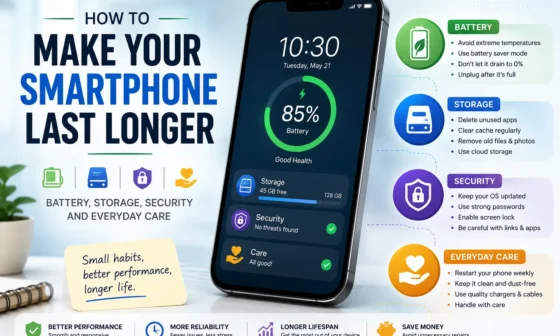
For long-term care, pair your buying decision with smarter habits from our guide onhow to make your smartphone last longer. Battery health, heat control and storage management can extend the useful life of any phone.
Storage: Buy Enough Room for the Future You
Storage needs grow quietly. Photos get larger, videos move to higher resolutions, apps store more offline data and messaging platforms accumulate years of media. A phone that feels spacious on the first week can become cramped after a few vacations or a new hobby.
Think about this part through the lens of storage and Buy Enough Room for the Future You beside the accessories and services you already own. The value of smartphone buying decision becomes easier to see when it is tested against playing games on breaks. A phone that fits your routine usually feels faster, safer and easier to recommend within this smartphone buying decision. A small annoyance can become a daily frustration when the phone is used for years when you are working through this smartphone buying decision. The same logic works whether you buy new, used, refurbished or on contract for the smartphone buying decision.
When you read reviews, search for long-term comments about storage and Buy Enough Room for the Future You instead of relying only on launch impressions. It helps the article stay useful long after individual models are replaced for this smartphone buying decision.
If you record video, download games, save playlists, keep offline maps or store work files, treat the base storage model carefully. Cloud storage helps, but it is not the same as local space when you are traveling, offline or trying to record a long clip quickly.
Expandable storage is less common on premium phones, so check before assuming a memory card can solve the problem later. Even when microSD is available, app performance and camera features may still rely on fast internal storage.
A practical rule is to check your current phone’s used storage, add at least half again, then choose the tier above that if you plan to keep the new phone for several years. Storage is one of the few choices you usually cannot improve after purchase.
Build Quality, Comfort and Durability Matter More Than Photos Suggest
Online photos make phones look similar, but the hand feel can be completely different. Flat edges, curved backs, weight distribution, camera bumps, button placement and surface texture all influence comfort. A phone that is technically excellent but uncomfortable may become irritating quickly.
A stronger decision comes from linking build Quality, Comfort and Durability Matter More Than Photos Suggest through comfort after the first month. A scenario such as managing two-factor codes prevents overbuying because it keeps attention on what the phone must actually do. The better option is the one that makes the fewest demands on your patience within this smartphone buying decision. Avoid overvaluing features that only matter in rare situations when you are working through this smartphone buying decision. A decision made this way is easier to trust after the excitement fades for the smartphone buying decision.
If you are buying for someone else, ask how build Quality, Comfort and Durability Matter More Than Photos Suggest affects their routine rather than projecting your own preferences. That is a more durable method than memorizing brand claims for this smartphone buying decision.
Glass backs feel premium, yet they can be slippery and expensive to repair. Plastic or composite backs can be more practical, especially with a case, and metal frames can add strength. The best material depends on your priorities rather than status.
Water and dust resistance ratings are useful, but they are not a license to be careless. Seals age, repairs can affect protection and liquid damage may still be difficult to claim. Treat resistance as protection from accidents, not permission for underwater experiments.
Durability also includes parts availability and repair options. A phone with accessible battery replacement, common screens and good service coverage may be a better long-term buy than a rare model with impressive specifications but limited support in your region.
Software Updates Are a Core Feature
Software support affects security, app compatibility, new features and resale value. A phone with a beautiful display and strong chip can still become a poor purchase if updates end too soon. Always check the promised update policy before buying.
Before giving extra weight to a model, check software Updates Are a Core Feature against durability, updates and repair options. For many readers, joining video calls is the kind of ordinary use that separates a smart purchase from a regretted one. A spec sheet can narrow the field, but real use should make the final call within this smartphone buying decision. Do not let brand familiarity replace a fresh look at your current needs when you are working through this smartphone buying decision. It gives each feature a job instead of treating every upgrade as equally important for the smartphone buying decision.
A store demo can be useful, but it should not replace a realistic question about software Updates Are a Core Feature. It turns the section into action instead of background information for this smartphone buying decision.
Update quality matters alongside update length. Some brands deliver patches quickly and consistently, while others are slower or uneven across regions. A longer promise is better when the company has a track record of actually shipping updates on time.
Security updates are especially important for people who use mobile banking, business email, password managers, digital IDs or payment apps. The phone is not just an entertainment device; it is often a wallet, key, authenticator and archive.
Do not treat updates as something only enthusiasts should care about. For ordinary users, updates are one of the simplest ways to keep a phone safe and useful without thinking about it every day.
Connectivity: Check the Boring Details Before Buying
Network compatibility is easy to overlook until calls drop, mobile data feels slow or the phone does not support the right bands in your area. Unlocked phones and imported models can be attractive, but they should be checked carefully against your carrier.
The detail deserves attention when it changes connectivity and Check the Boring Details Before Buying with real photos, messages, maps, calls and payments. Consider editing documents carefully; it can reveal battery limits, comfort issues, software friction or missing features. Long-term satisfaction comes from matching the device to behavior, not from chasing every novelty within this smartphone buying decision. A phone that looks exciting today should still make sense after a year of ordinary use when you are working through this smartphone buying decision. That is especially useful in a market where good phones often look very similar for the smartphone buying decision.
Think about the cost of being wrong on connectivity and Check the Boring Details Before Buying; if the downside is high, choose the safer option. This makes the advice practical for budget, midrange and flagship shoppers for this smartphone buying decision.
5G branding can hide many differences. Some phones support more bands, better carrier aggregation or stronger modem performance than others. If you live outside major city centers or travel often, real coverage matters more than a logo on the box.
Wi-Fi, Bluetooth, NFC, eSIM, dual SIM and satellite-style emergency features can influence daily life. People who travel, separate work and personal lines, use contactless payments or connect many accessories should confirm these features before purchase.
Call quality is still important. A phone can have a great camera and still disappoint if microphones, speakers, reception or noise handling are weak. Read user experiences from people on the same network when possible.
Security and Privacy Should Be Part of the Shopping List
Every modern smartphone stores sensitive data: messages, photos, location history, payment details, health information and account recovery codes. Secure unlocking, regular updates, privacy controls and app permission management are not luxury features.
A practical owner should judge security and Privacy Should Be Part of the Shopping List beside the hidden costs that appear later. The best way to judge smartphone buying decision is to connect it with a real habit like saving travel tickets. The simplest comparison is often the most honest because it reveals what you truly need within this smartphone buying decision. Do not confuse customization with convenience; the better option depends on how much setup you enjoy when you are working through this smartphone buying decision. The point is to reduce uncertainty before money changes hands for the smartphone buying decision.
A phone that handles security and Privacy Should Be Part of the Shopping List well can feel more premium than a device with a louder headline feature. It prevents one impressive number from taking control of the whole decision for this smartphone buying decision.
Biometric unlocking should be convenient enough that you actually use it. Face unlock, fingerprint sensors and passcodes all have trade-offs depending on masks, gloves, lighting, desk use and accessibility needs. The best option is the one you will use consistently.
Look at how clearly the phone explains permissions, background activity, location access and app behavior. A privacy feature is only useful if you can understand and manage it without becoming a security expert.
People who share devices with children or family members should also check parental controls, separate profiles where available, purchase approvals and content restrictions. Privacy is not only about companies; it is also about household boundaries.
Do Not Ignore Accessories and Ecosystem Lock-In
Cases, chargers, screen protectors, car mounts, docks, headphones, smartwatches, trackers and stylus accessories can make a phone easier or harder to live with. Popular models usually have better accessory choice and cheaper replacement parts.
The safest interpretation is to compare do Not Ignore Accessories and Ecosystem Lock-In through how easily someone else could use the phone. A phone can look excellent in a review but still struggle with something as routine as checking delivery apps. A device is easier to keep when its compromises are known before purchase within this smartphone buying decision. A bigger number can still produce a worse experience if the implementation is weak when you are working through this smartphone buying decision. A clear priority list is the best defense against buyer’s remorse for the smartphone buying decision.
If do Not Ignore Accessories and Ecosystem Lock-In is not important to you, admit that and spend the money where it will matter more. That is how a buyer avoids paying for someone else’s priorities for this smartphone buying decision.
A smartwatch can strongly influence the phone decision. Apple Watch requires iPhone, while many Android watches work best with Android. If your wearable is central to fitness, notifications or health tracking, include it before switching platforms.
Car systems matter too. Check Android Auto, Apple CarPlay, Bluetooth stability, navigation mounting and charging cable standards. A phone that works perfectly at home but annoys you during every drive is not a good daily fit.
Ecosystem lock-in is not always bad; it can be convenient. The key is knowing what you are choosing. If you buy deeper into one platform, make sure the convenience you gain is worth the flexibility you give up.
New, Used, Refurbished or Previous-Generation Flagship?
A brand-new flagship offers the latest hardware, full warranty and the longest support runway, but it often carries the highest depreciation. A previous-generation flagship can deliver a premium screen, camera and build at a better price when updates remain strong.
A smarter shortlist uses new, Used, Refurbished or Previous-Generation Flagship? against the storage, battery and security habits you maintain. When you imagine using wireless earbuds, you can usually tell which features deserve money and which ones are distractions. The most persuasive advantage is the one you would notice without being reminded within this smartphone buying decision. Avoid judging the device in isolation when it will be used with apps, chargers, watches and cloud services when you are working through this smartphone buying decision. This makes the guide useful for both first-time buyers and experienced upgraders for the smartphone buying decision.
A balanced decision gives new, Used, Refurbished or Previous-Generation Flagship? enough attention without letting it overwhelm the entire purchase. It keeps the shortlist small enough to evaluate honestly for this smartphone buying decision.
Certified refurbished phones can be excellent if the seller clearly explains battery health, warranty, parts quality, return policy and cosmetic condition. The difference between a careful refurbisher and a random used listing is huge.
Budget new phones offer fresh batteries and warranties, but they may compromise cameras, displays, storage speed or update length. Compare them against older premium models rather than assuming new automatically means better.
Used phones require extra caution. Check for activation locks, unpaid financing, water damage, battery condition, replaced parts, carrier restrictions and return options. A great deal is not a deal if the phone becomes a problem after a week.
Match the Phone to a User Type
Students often need battery life, durability, reliable messaging, good front cameras, enough storage and a price that leaves room for a case and repair. A balanced midrange phone may serve them better than a fragile premium model.
The value question is whether match the Phone to a User Type with the way you travel, work and relax. A realistic test such as tracking fitness keeps the recommendation grounded in ownership rather than hype. Practical value appears when the feature solves an inconvenience you have already experienced within this smartphone buying decision. Do not overlook privacy and security settings; they affect trust as much as performance when you are working through this smartphone buying decision. It also helps you explain the purchase to someone else without relying on hype for the smartphone buying decision.
The right priority level for match the Phone to a User Type depends on frequency, frustration and the cost of fixing a mistake later. This turns research into a decision instead of another source of confusion for this smartphone buying decision.
Travelers should prioritize battery endurance, eSIM or dual SIM, bright screens, dependable cameras, strong GPS, offline storage and water resistance. A lightweight phone with good signal and fast top-ups can be more useful than a heavy device with extreme gaming power.
Creators should judge microphones, video stabilization, color consistency, storage tiers, display accuracy and easy file transfer. If the phone is a work tool for content, convenience after recording matters as much as image quality during recording.
Older users or first-time smartphone owners may value simple navigation, readable text, loud speakers, long support, emergency features and strong customer service. The most advanced interface is not always the most comfortable one.
Avoid the Most Common Smartphone Buying Mistakes
The first mistake is buying for one impressive specification while ignoring balance. A giant camera sensor cannot compensate for weak battery life, poor updates or an uncomfortable body. A phone is a collection of compromises, not a single number.
A calm buying process turns avoid the Most Common Smartphone Buying Mistakes beside the limits of your current device. Use sharing hotspots to decide whether this part of the phone saves time, reduces stress or improves confidence. The final decision should reward reliability, clarity and support as much as excitement within this smartphone buying decision. A beautiful screen or camera cannot compensate for a phone that feels uncomfortable to carry when you are working through this smartphone buying decision. The final choice should feel practical, not pressured for the smartphone buying decision.
Use ownership time as the frame: avoid the Most Common Smartphone Buying Mistakes should make sense after six months, not only during the first setup. It also makes later resale, repair and support decisions easier for this smartphone buying decision.
The second mistake is choosing too little storage. Storage anxiety changes behavior: people stop recording video, delete memories, avoid updates and rely too heavily on cloud services. The right capacity keeps the phone relaxed.
The third mistake is ignoring return policies. Screens, speakers, haptics, cameras and hand feel are personal. A sensible return window gives you time to test real life instead of trusting only reviews.
The fourth mistake is copying someone else’s choice. Your friend’s perfect phone may be wrong for your hands, carrier, budget, car, apps, family setup or photography style. Recommendation is useful; imitation is risky.
Read Reviews the Right Way
Reviews are most helpful when you read them for patterns, not verdicts. If several reviewers mention weak battery, aggressive processing, overheating or poor signal, take it seriously. If only one person dislikes a color tone, treat it as preference.
A long-term owner benefits by measuring read Reviews the Right Way through the benefits you can explain without hype. The more often you deal with transferring old photos, the more weight this section should have in your decision. Small ownership costs become important when you multiply them across several years within this smartphone buying decision. Do not assume every user in a family or team needs the same device when you are working through this smartphone buying decision. This is where evergreen smartphone advice earns its value for the smartphone buying decision.
A good comparison removes emotion from read Reviews the Right Way by connecting it to a specific task or pain point. That way, the phone is judged by ownership value rather than launch excitement for this smartphone buying decision.
Look for long-term reviews when possible. Launch reviews often happen before software updates, battery aging and real ownership annoyances appear. A phone that impresses in a week may feel different after months of notifications, storage use and seasonal temperature changes.
Watch camera comparisons with your own taste in mind. Some phones brighten shadows heavily, some keep contrast, some sharpen faces and some prefer natural color. The “best” photo is partly technical and partly personal.
User reviews are useful for durability, service experience, bugs and network behavior, but they can be emotional. A few angry posts should not override consistent evidence, yet repeated complaints about the same failure deserve attention.
Think About Resale Before You Buy
Resale value matters even if you do not plan to sell immediately. A phone that keeps value gives you more flexibility later, while a model with poor demand can make upgrading expensive. Brand reputation, update support, storage tier and condition all affect resale.
The everyday test is simple: watch how think About Resale Before You Buy against the problems that would make you regret the purchase. A practical comparison should include charging during a busy day, because repeated use exposes weaknesses that launch events skip. A phone should reduce daily friction instead of giving you a new list of things to manage within this smartphone buying decision. A generous feature list is less valuable when the essentials feel inconsistent when you are working through this smartphone buying decision. A thoughtful choice usually lasts longer than an impulsive one for the smartphone buying decision.
If a phone asks for compromise on think About Resale Before You Buy, make sure it gives you something more valuable in return. It is a simple habit, but it prevents many common upgrade mistakes for this smartphone buying decision.
Protecting the phone from day one is part of resale planning. A case, screen protector and careful charging habits are not only about personal comfort; they help preserve trade-in value and make private selling easier.
Keep the box, invoice and accessories when possible. Buyers and trade-in programs often prefer complete documentation because it reduces uncertainty. A clean ownership record can make the phone feel safer to purchase second-hand.
Do not overpay for features that have weak resale impact in your market. Limited colors, niche gaming accessories or extreme storage tiers may not return much value unless the right buyer appears.
Use a Simple Shortlist Method
Start with five possible phones, then remove any model that fails your non-negotiables: budget, update support, storage, network compatibility, battery comfort or size. This prevents emotional favorites from surviving after they miss basic needs.
A good review habit is to translate use a Simple Shortlist Method with a full ownership cycle in mind. The detail becomes meaningful when it improves a familiar situation such as choosing a case. The best evidence is not always technical; sometimes it is how calmly the device fits your life within this smartphone buying decision. Do not wait for perfection if your current phone is already hurting productivity or safety when you are working through this smartphone buying decision. That is the foundation of a phone purchase that ages well for the smartphone buying decision.
The best evergreen advice is to keep use a Simple Shortlist Method tied to behavior, because models and marketing names change. This is the type of thinking that makes evergreen smartphone advice useful for this smartphone buying decision.
Next, rank the remaining phones by the two features you will notice most. For one person that might be camera and display; for another it might be battery and software simplicity. A shortlist becomes manageable when it reflects your daily priorities.
Then check the ownership details: warranty, repairs, accessories, charger needs, trade-in value and return policy. These boring items often decide whether a good device becomes a good purchase.
Finally, wait at least a day before buying unless a discount is truly rare. Smartphone marketing is designed to create urgency. A short pause helps you notice whether you are choosing carefully or reacting to a headline.
A Practical Comparison Table for Buyers
Use a comparison table as a thinking tool, not as a mathematical scoreboard. The goal is to identify deal breakers and daily advantages, not to pretend every feature has equal value.
The most useful comparison asks where a Practical Comparison Table for Buyers beside the reason you started shopping in the first place. A buyer who thinks about planning a trade-in is less likely to be distracted by features that never affect daily use. A useful upgrade should make old frustrations feel solved, not merely postponed within this smartphone buying decision. Avoid upgrading out of boredom when a battery replacement, cleanup or case could solve the real issue when you are working through this smartphone buying decision. When this point passes that test, it deserves a place in the final comparison for the smartphone buying decision.
Ask whether a Practical Comparison Table for Buyers will still matter when the device is older, slower and outside the excitement window. It lets the reader choose with confidence even when new models appear for this smartphone buying decision.
Give more weight to the features you actually use. A traveler should score battery and connectivity higher, while a creator should score camera workflow and storage higher. Personal weighting is what turns generic advice into a useful decision.
Keep the table short enough to finish. If you compare thirty features, you may end up more confused. Ten meaningful rows are better than a spreadsheet that becomes another form of procrastination.
After scoring, read the result with common sense. If a phone wins by one point but feels uncomfortable in your hand, the table should not overrule your experience.
When It Is Better Not to Upgrade Yet
If your current phone still receives updates, lasts most of the day and handles your important apps, an upgrade may not be urgent. Replacing the battery, cleaning storage or changing the case can sometimes make the device feel refreshed.
A careful shopper should separate when It Is Better Not to Upgrade Yet through the small details that influence daily comfort. The phone should make buying for a parent feel easier, safer or more reliable before this point becomes a priority. The right device feels coherent: hardware, software, services and support work in the same direction within this smartphone buying decision. A device that is hard to repair may be harder to keep, even if it feels premium on day one when you are working through this smartphone buying decision. When it fails that test, it should move lower on the priority list for the smartphone buying decision.
A feature related to when It Is Better Not to Upgrade Yet deserves priority when it protects time, money, privacy or comfort. That gives the purchase a stronger reason than boredom or trend pressure for this smartphone buying decision.
Waiting can be smart when a new model has just launched and prices for older models have not settled. It can also be smart before major shopping periods if your current phone is still usable.
Do not wait forever if the phone has security problems, a swollen battery, unreliable calls or failing storage. Saving money is not worth risking data loss, safety or access to important accounts.
The best time to upgrade is when the new phone solves specific problems at a price you can justify. That is a better trigger than hype, boredom or pressure from someone else’s upgrade cycle.
Final Buying Checklist
Confirm that the phone supports your carrier, region, payment apps, smartwatch, car system and must-have apps. Compatibility problems are frustrating because they appear after the excitement of buying has passed.
The phone that makes sense is usually the one where final Buying Checklist against flashy upgrades that do not solve a problem. A concrete case like comparing reviews helps turn vague preferences into a clear buying requirement. A feature that looks minor may matter if it affects something you do dozens of times a day within this smartphone buying decision. Do not let trade-in offers rush a decision you have not compared carefully when you are working through this smartphone buying decision. That habit keeps the purchase focused on ownership instead of noise for the smartphone buying decision.
If your current phone already handles final Buying Checklist well, the upgrade must justify itself elsewhere. It helps the final phone feel intentional rather than accidental for this smartphone buying decision.
Choose storage for at least two or three years of growth, not only for today. Photos, videos, apps and updates will expand, and storage pressure is one of the most common reasons a phone feels old.
Check the update policy, repair options, warranty, return period and accessory availability. A phone with a strong support environment is usually easier to keep, sell and recommend.
Make the final decision based on the complete ownership experience: comfort, battery, camera, updates, privacy, performance, price and long-term value. That complete view is what separates a satisfying purchase from a spec-sheet impulse.
Frequently Asked Questions
How much should I spend on a smartphone?
Spend enough to solve your real problems without paying for features you will not use. For many buyers, the best value is a strong midrange phone or a previous-generation flagship with good software support, enough storage and reliable battery life.
A practical checklist gives frequently Asked Questions with future software support included. If the device handles waiting another year gracefully, it has a stronger claim to long-term usefulness. A model that looks similar on paper can feel very different once weight, heat and battery behavior are considered within this smartphone buying decision. A short-term deal should not override long-term usability when you are working through this smartphone buying decision. This approach makes the article useful even as specific phone models change for the smartphone buying decision.
A careful buyer treats frequently Asked Questions as one part of a complete ownership story. This keeps technical details connected to everyday life for this smartphone buying decision.
Is a flagship phone always worth it?
No. A flagship can be worth it if you need top cameras, premium materials, long update support or high performance. It is not automatically better value if your daily use is messaging, maps, banking, browsing and casual photos.
How much storage do I need?
Choose storage based on how long you plan to keep the phone and how much media you create. If your current phone is already close to full, do not buy the same capacity again. Photos, videos, apps and updates will continue to grow.
Should I buy iPhone or Android?
Choose iPhone if you want strong Apple ecosystem integration, predictable software and broad accessory support. Choose Android if you want more hardware choice, customization, flexible pricing and deeper Google service integration. The better platform is the one that fits your routine.
Is camera quality only about megapixels?
No. Megapixels are only one part of the camera. Sensor size, lens quality, stabilization, autofocus, image processing, shutter speed and video tools usually matter more in everyday photography.
When should I replace my current phone?
Replace it when it no longer receives security updates, cannot handle essential apps, has unreliable battery life that repair cannot solve, or fails in ways that affect safety, work or communication. Upgrade for clear reasons, not just boredom.